About This Project
A virtual Random Event Generator network inspired by the Princeton Engineering Anomalies Research Laboratory — built in Vancouver, BC
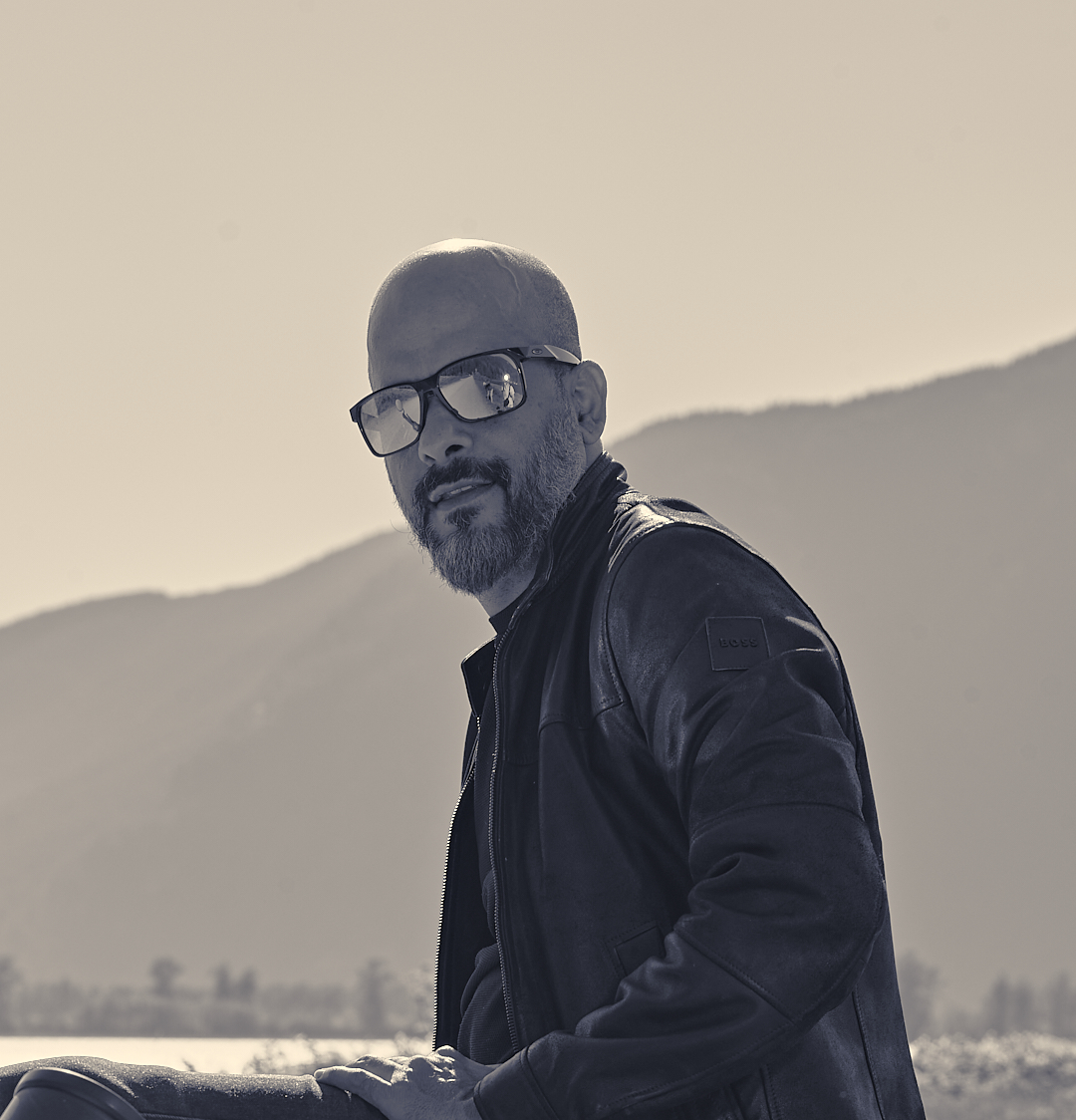
Fascinated by the question of whether collective human attention can influence physical systems, Vikash created this platform to make the ideas of the Global Consciousness Project tangible and interactive for anyone curious about the nature of mind and reality.
Velocity Technologies Ltd. is a Vancouver-based technology company dedicated to building innovative digital experiences at the intersection of data, design, and human consciousness. We create platforms that make complex scientific ideas accessible, beautiful, and meaningful for everyday people.
The Global Consciousness Monitor is a flagship demonstration of our approach — taking rigorous scientific methodology and presenting it through an elegant, real-time interface that invites curiosity and reflection. We believe technology should not only inform but inspire.
The Global Consciousness Project (GCP) was founded in 1998 by Dr. Roger Nelson at the Princeton Engineering Anomalies Research (PEAR) Laboratory. The project maintained a worldwide network of Random Event Generators (REGs) — physical hardware devices that produce truly random sequences of bits by harnessing quantum-level thermal noise in electronic circuits.
The central hypothesis: during moments of intense, globally shared human attention — major world events, mass meditations, disasters, celebrations — the statistical output of these otherwise random devices might show subtle but measurable deviations from chance expectation. The project analyzed data across hundreds of events over 15+ years, finding statistically significant correlations that remain debated and studied in the scientific community.
Vancouver, BC is our home city — and the home of Velocity Technologies Ltd. Adding a Vancouver node to the network grounds this global project in a local connection. The original GCP maintained nodes across dozens of cities worldwide, with distribution across time zones and geographies being central to detecting globally coherent signals.
Math.random(). This is a software-based algorithm, not a physical hardware REG. The original GCP used custom-built electronic devices that derive randomness from true quantum noise at the hardware level.No data is fetched from the actual GCP network (the project concluded in 2015 and never offered a public API). This platform is a faithful conceptual simulation of the methodology — designed to educate, visualise, and inspire. All nodes, including Vancouver, produce statistically equivalent pseudorandom sequences. The science of what to watch for, and how to interpret it, is real.